Stain removal in St. Catharines
Spills, pet urine, and winter road-salt rings need different chemistry and honesty about limits. Some dyes permanently discolor fibres. Urine that soaked pad and subfloor may not fully clear with a surface clean. This page covers common stains, salt entryways, and when replacement is smarter.
Act fast — blot, don’t rub
For fresh spills, blot with a clean white cloth. Rubbing spreads the stain and drives it deeper. Avoid heat on protein stains like blood. Note what you already tried—previous DIY chemistry can change what a pro can do.
Pet urine and pad reality
Surface urine can often improve with enzymes plus extraction. Urine that soaked the pad and subfloor may need sub-surface extraction (a water claw) or pad replacement. Two wildly different quotes often price different scopes—not different “quality.”
Road-salt entryway rings
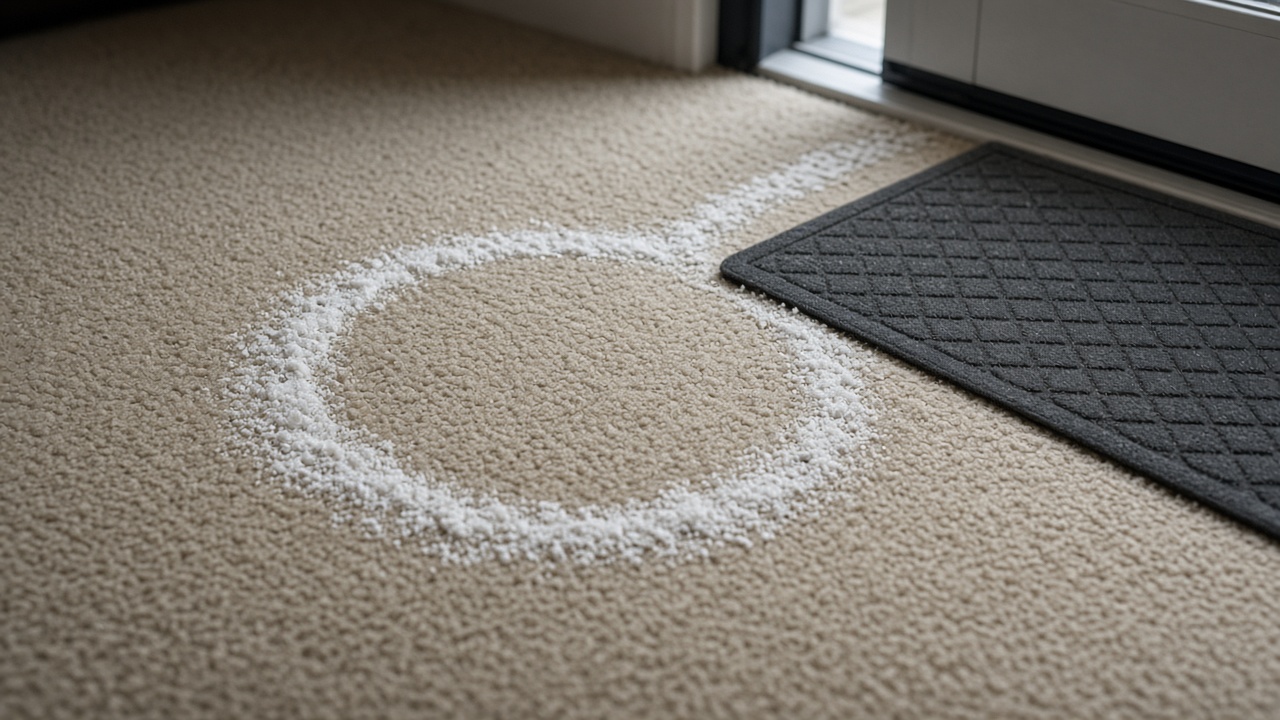
White crusty rings are usually dried de-icing salt tracked in on boots. Vacuum dry crystals first. A 1:1 white vinegar and warm water blot can help dissolve alkaline residue; rinse and dry fast. Recurring winter traffic needs weekly entry care; a professional acidic rinse after winter resets deeper residue.
Wine, coffee, and blood
Red wine: blot fast; pros use targeted spotters; some dyes never fully reverse. Coffee: tannin sets with heat and time; repeated dilute extraction helps. Blood: cold water only—heat sets protein stains.
Permanent dyes and guarantees
No ethical cleaner can guarantee every spot will disappear. Bright drinks and some markers permanently discolor fibres. Wear areas stay darker even when clean.
When replacement is smarter
If carpet is worn out or urine saturates pad and subfloor widely, replacement plus sealing can beat endless cleanings. A pro inspection helps decide. For full-room deep cleans, see carpet cleaning.
DIY first aid that helps vs hurts
Blotting with a white cloth, cool water on blood, and vacuuming dry salt crystals are helpful first steps. What often hurts: rubbing, hot water on protein stains, pouring undiluted bleach, and renting a machine that over-wets pad without strong recovery. If you already used a coloured cleaner or “miracle” powder, tell the technician—residues change spotting chemistry.
Vinegar solutions can help alkaline salt residue after vacuuming, but flooding an entryway carpet with vinegar and leaving it wet overnight invites wicking and odour. Rinse and dry fast. Recurring winter traffic still needs mats and boot trays more than weekly chemistry experiments.
UV inspection and honest mapping
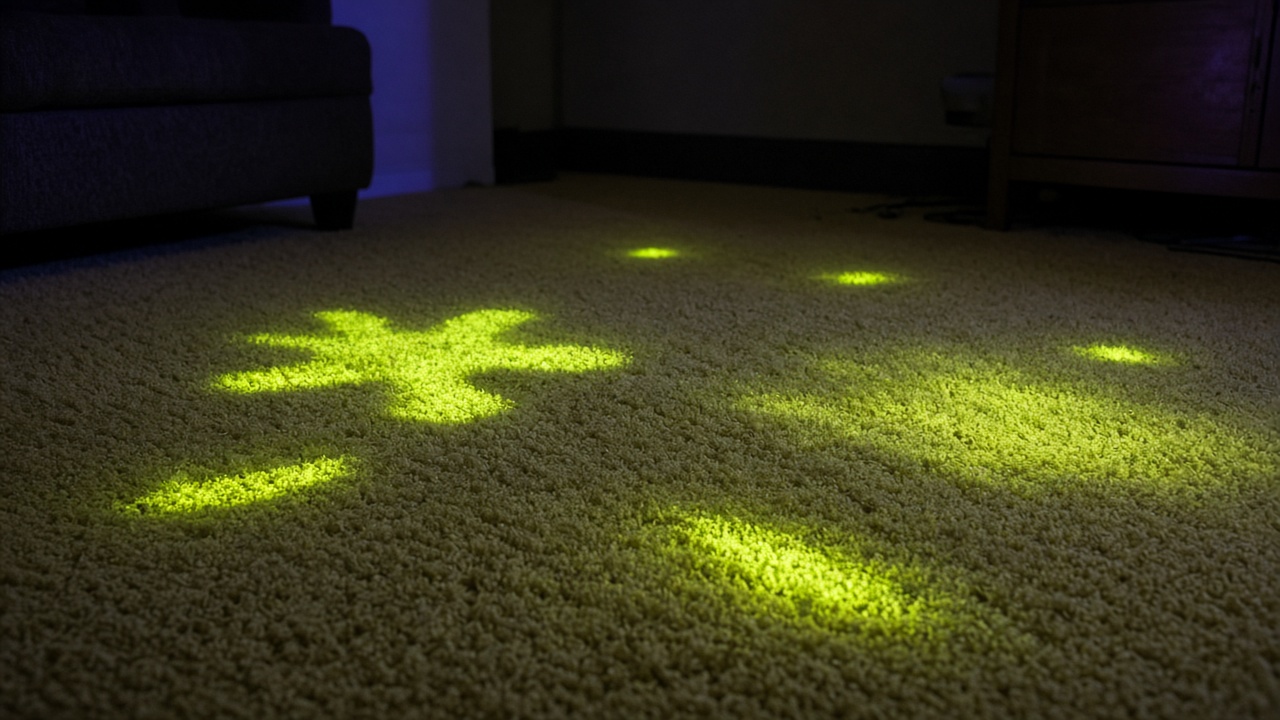
UV lights can show urine paths that look clean in daylight. That mapping explains why one quote includes pad flushing while another is surface-only. Ask whether UV inspection is part of the estimate for odour jobs. The scope conversation should happen either way.
Furniture stains and combined visits
Sofa arms and cushions collect body oils and food that carpet spotters are not formulated for. If you need carpet stain work and upholstery cleaned together, share fabric codes and photos up front. See upholstery cleaning for W/S/WS/X rules and foam dry times.
Documenting for landlords and insurance
Before and after photos, a written scope, and invoices help with deposit disputes and warranty files. Cleaning is not a substitute for water-damage restoration after floods or category-2 sewage—those jobs belong with restoration specialists. This site focuses on residential soil, spills, salt, and pet urine within normal cleaning scope.
Common household stains beyond the headlines
Wine, coffee, blood, and pet urine dominate search queries, but grease from kitchens, marker dyes, vomit, and tracked mud show up just as often. Grease needs emulsifying chemistry; markers may permanently dye fibres; protein soils need cool temperatures. Bring a short list of stain types when you enquire so the estimator packs the right spotters.
Older “shadows” after DIY often mean residue or wicking from pad. Professional extraction can improve those shadows; it cannot promise a factory-new look on worn yarn.
Road salt season as a stain problem
White crusty entry rings are a St. Catharines winter signature. Vacuum dry crystals first. Acidic rinses help alkaline salt residue; thorough extraction after the heaviest salting months resets deeper soil. Weekly entry mats beat monthly emergency spotters. Pair stain work with a full-room clean when traffic lanes are also grey—see carpet cleaning.
Pet urine decision tree
Recent surface accidents: enzyme + extraction may be enough. Recurring odour after cheap cleans: ask about UV mapping and pad flushing. Widespread pad saturation or destroyed face fibres: replacement and sealing can beat endless cleanings. Write the scope down so a light “deodorizer add-on” is not confused with multi-hour water-claw or pad remediation priced higher for good reason.
Guarantees and dye honesty
No ethical cleaner can guarantee every spot will disappear. Bright drinks and some markers permanently discolor fibres. Wear areas stay darker even when clean. Prefer cleaners who say that out loud before they take the job.
Preparing the room for stain work
Clear clutter, note previous chemistry, secure pets, and photograph stains in daylight. Leave windows available for ventilation. If furniture sits on the spot, confirm whether it will be moved. Call (905) 999-9999 to start the quote conversation.
Commercial and rental unit stains
Short-term rentals and apartments see repeated spills and pet accidents between tenancies. Photo documentation and clear scopes protect landlords and tenants. Odour complaints after a “quick spray” often mean pad work was never authorized. Write authorization for enzyme + pad treatment into the work order when smell is the real complaint.
Light commercial entries track the same road salt as homes. Schedule restorative cleans after winter rather than mid-storm when new salt immediately reloads fibres.
Chemistry basics without the jargon fog
Alkaline pretreats loosen oily soil; acidic rinses help neutralize and can assist with salt residue; enzymes target organic urine components; solvents help oily spots and some S-code fabrics. More chemistry is not always better—residue left behind becomes a dirt magnet. Thorough extraction or proper solvent evaporation matters as much as the bottle label.
“Eco-friendly” claims are common. Most professional products are designed to be used safely when rinsed or dried as directed. Ask what will be used around kids and pets, and when surfaces are safe to use again. Ask what products will be used around kids and pets.
Building a stain-ready estimate request
Include city, rooms, stain types, pet status, photos, and preferred dates. Mention previous DIY attempts. Note whether you want a full-room clean with the spot work. Call (905) 999-9999 or use the form on this page.
Whole-room methods and fabric codes
For whole-room methods and dry times, see carpet cleaning. For sofa fabric codes, see upholstery cleaning. For rug plant vs in-home decisions, see area rug cleaning.
St. Catharines winter and spring stain calendar
Mid-winter: focus on mats, vacuuming dry salt, and spot blotting—not full wet cleans during freeze-thaw weeks when new grit returns daily. Early spring: book restorative extraction and salt-ring treatment once heavy salting slows. Late spring: address pollen films and any pet accidents that worsened when doors stayed closed all winter.
Move-out season in summer adds deposit-driven stain calls. Photograph everything. Authorize pad work in writing when odour is the landlord’s complaint. Flood restoration after sump failures is a different trade—refer out when category water damage exceeds cleaning scope.
Stain removal FAQs
Can professionals remove dog/cat urine smell completely?
Surface urine can often be improved with enzymes + extraction; urine that soaked the pad and subfloor may not fully clear without sub-surface extraction or pad replacement. Honest cleaners say so up front.
Why is one pet-urine quote hundreds more than another?
The higher quote often includes pad flushing / water-claw work; the lower may be top-fibre only. Compare whether UV mapping and pad treatment are included.
What’s a water claw?
A tool that floods and extracts through the carpet into the pad to pull urine from below the face fibres. It takes longer and costs more than a standard clean.
How do I remove white road-salt stains from carpet?
Vacuum dry crystals first. Then a 1:1 white vinegar and warm water blot (acid dissolves alkaline salt), rinse, and dry fast. Recurring winter traffic needs weekly entry care; a professional acidic rinse/extraction after winter resets deeper residue.
Will red wine come out of carpet or rug?
Act fast: blot, don’t rub. Pros use targeted spotters; success depends on fibre and time. Some dyes never fully reverse.
How do I get an old coffee stain out?
Dilute and extract repeatedly (soap + water + wet vac), then spotter; residue and tannin set with heat/time. Professional extraction helps when DIY leaves a shadow.
Blood on carpet — cold water or heat?
Cold water only — heat sets protein stains. Hydrogen peroxide can help but may lighten fibres; blot and rinse; large bio hazards may warrant a pro.
Can you guarantee every spot will disappear?
No ethical cleaner can. Some dyes (bright drinks, Kool-Aid) permanently discolor fibres; wear areas stay darker even when clean.
Do deodorizers fix pet odour?
Masking deodorizers without breaking down urine salts usually fail; enzyme + thorough extraction (and pad work when needed) matter more.
When is replacing the carpet smarter than cleaning?
If carpet is worn out or urine saturates pad/subfloor widely, replacement + sealing can beat endless cleanings. A pro inspection helps decide.